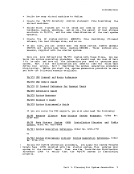
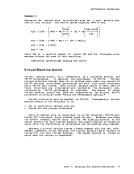
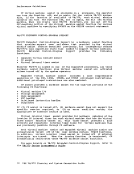
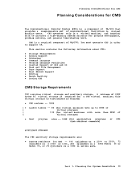
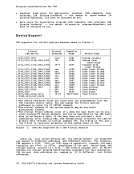
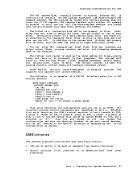
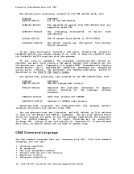
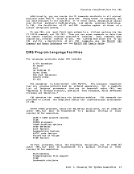
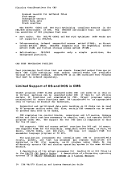
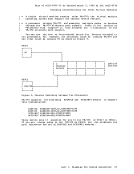
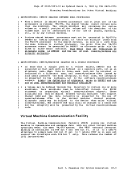
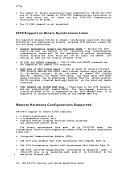
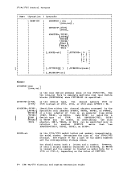
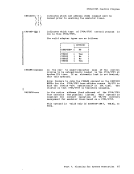
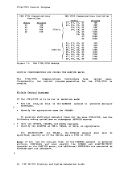
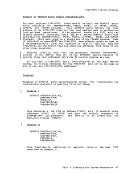
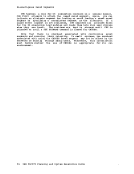
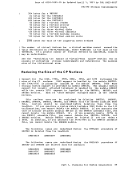
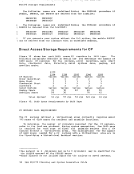
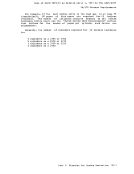
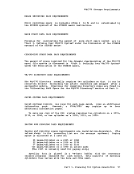
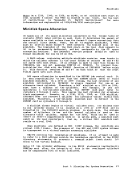
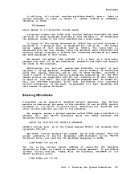
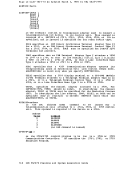
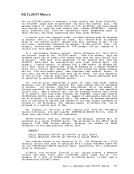
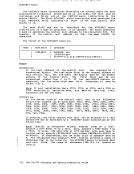
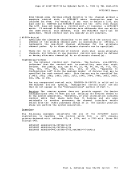
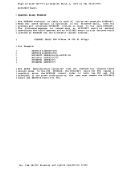
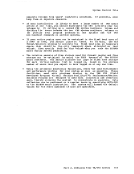
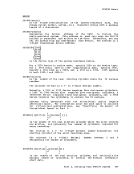
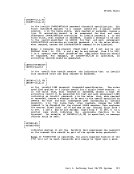
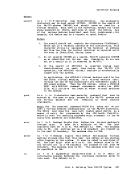
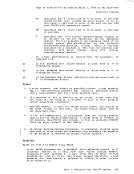
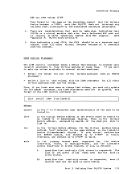
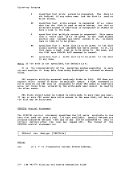
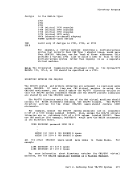
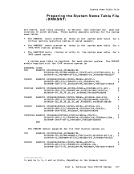
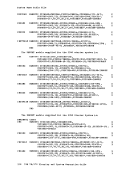
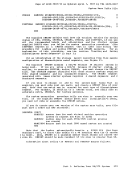
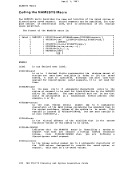
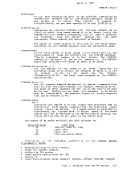
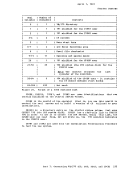
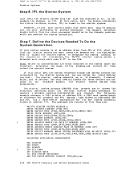
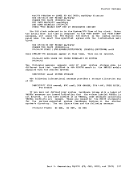
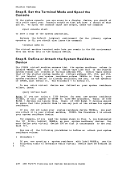
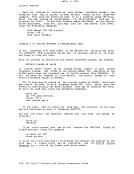
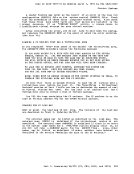
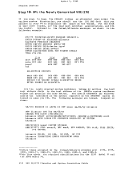
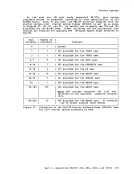
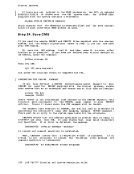
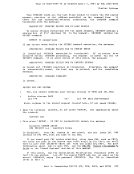
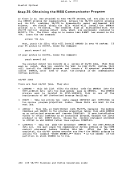
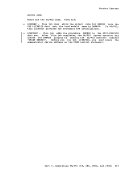
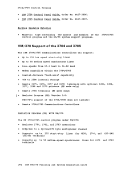
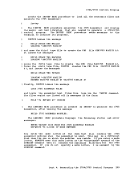
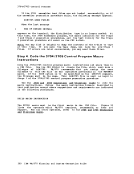
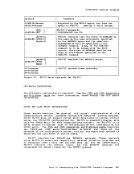
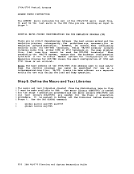
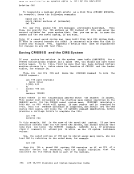
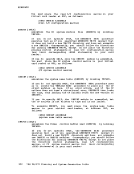
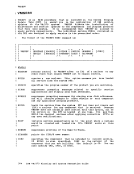
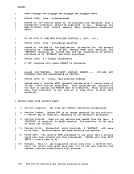
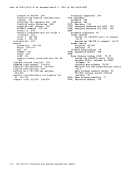
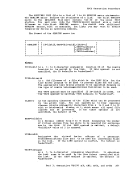
these situations but is unable to provide predictable protection to
other virtual machines. In addition, violation of this restriction
may compromise the integrity of the system. The results are
unpredictable.
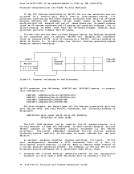
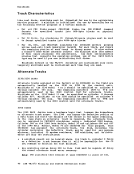
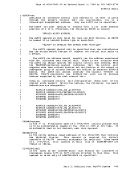
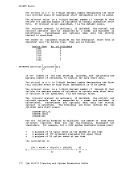
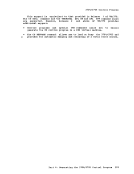
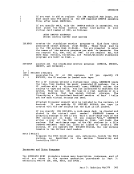
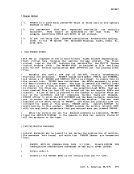
2.A two-channel switch can be used between the IBM System/370 running
a virtual machine underVM/370 and another processor.
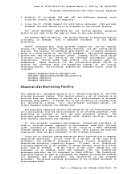
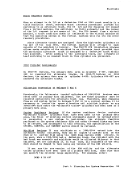
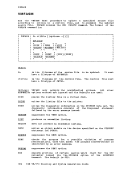
3. TheDIAGNOSE instruction cannot be issued by the virtual machine
for its normal function.VM/370 uses this instruction to allow the
virtual machine to communicate system services requests. The
Diagnose interface requires the operand storage addresses passed to
it to be real to the virtual machine issuing theDIAGNOSE instruction. For more information about the DIAGNOSE instruction in
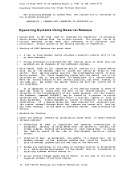
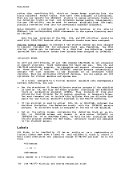
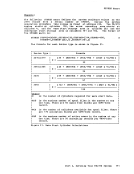
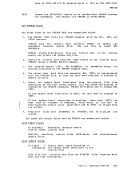
a virtual machine, see the!M/370 A control unit normally never appears busy to a virtual machine.
An exception exists when a forward space file or backward space
file command is executed for a tape drive.Subsequent I/O operations to the same 7irtual cor.trol unit result in a control unit busy condition until the forward space file or backward space
file command completes. If the real tape control unit is shared by
more than one virtual machine, a control unit busy condition is
reflected only to the virtual machine executing the forward space
file or backward space file command. When a virtual machine
attempts anI/O operation to a device for which its real control
unit is busy, the virtual machine is placed inI/O wait
(nondispatchable) until the real control unitis available. If the
virtual machine executed aSIOF instruction (rather than SIO) and
was enabled for block-multiplexing, it is not placed inI/O wait
for the above condition.
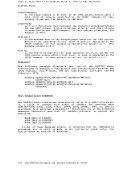
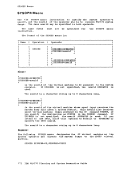
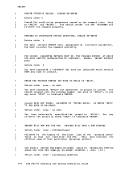
5. TheCP IPL command cannot simulate self-modifying IPL sequences off
dedicated unit record devices or certain self-modifyingIPL sequences off tape devices.
6. TheVM/370 spooling facilities do not support punch-feed-read,
stacker selection, or column binary operations. Detection of
carriage control channels is supported for a virtual 3211 only.
7.VM/370 does not support count
operator's console.
control on the virtual1052 8. Programs that use the integrated emulators function only if the
real computing system has the appropriate compatibility feature.VM/370 does not attempt simulation. The DOS emulator running under OS or OS/VS is not supported under VM/370. 9. The READ DIRECT and WRITE DIRECT instructions are not supported for
a virtual machine.10. The System/370 SET CLOCK instruction cannot be simulated and,
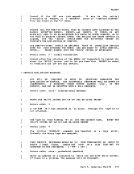
hence, is ignored if issued by a virtual machine. TheSystem/370 STORE CLOCK instruction is a nonprivileged instruction and cannot
be trapped byVM/370; it provides the true TOD clock value from the
real processor.
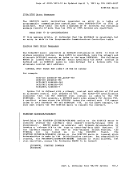
11. The1050/1052 Model 2 Data Communication System is supported only
as a keyboard operator's console. Card reading, paper tapeI/O, and other modes of operation are not recognized as unique, and
hence may not work properly. This restriction applies only when
the1050 system is used as a virtual machine operator's console.
It does not apply when the1050 system is attached to a virtual
machine via a virtual2701, 2702, or 2703 line.
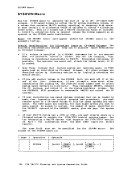
436IBM VM/370 Planning and System Generation Guide
other virtual machines. In addition, violation of this restriction
may compromise the integrity of the system. The results are
unpredictable.
2.
a virtual machine under
3. The
for its normal function.
virtual machine to communicate system services requests. The
Diagnose interface requires the operand storage addresses passed to
it to be real to the virtual machine issuing the
a virtual machine, see the
An exception exists when a forward space file or backward space
file command is executed for a tape drive.
file command completes. If the real tape control unit is shared by
more than one virtual machine, a control unit busy condition is
reflected only to the virtual machine executing the forward space
file or backward space file command. When a virtual machine
attempts an
unit is busy, the virtual machine is placed in
(nondispatchable) until the real control unit
virtual machine executed a
was enabled for block-multiplexing, it is not placed in
for the above condition.
5. The
dedicated unit record devices or certain self-modifying
6. The
stacker selection, or column binary operations. Detection of
carriage control channels is supported for a virtual 3211 only.
7.
operator's console.
control on the virtual
real computing system has the appropriate compatibility feature.
a virtual machine.
hence, is ignored if issued by a virtual machine. The
be trapped by
real processor.
11. The
as a keyboard operator's console. Card reading, paper tape
hence may not work properly. This restriction applies only when
the
It does not apply when the
machine via a virtual
436