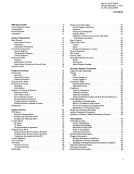
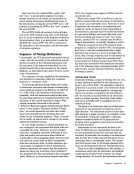
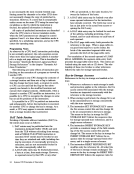
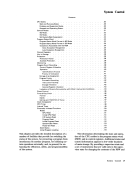
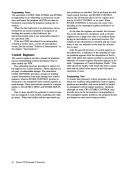
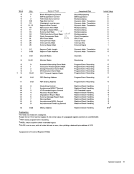
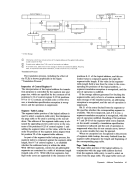
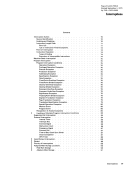
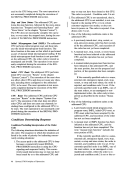
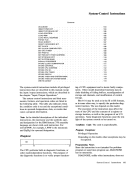
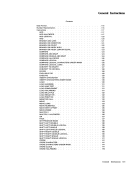
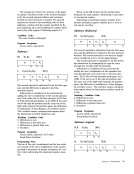
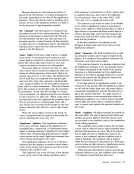
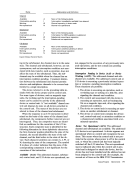
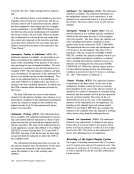
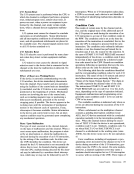
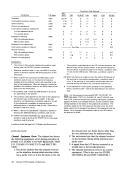
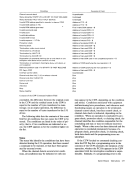
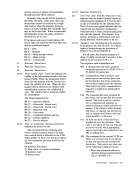
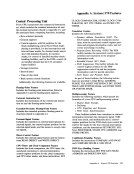
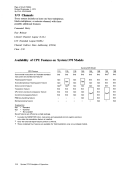
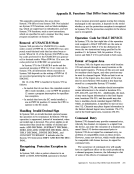
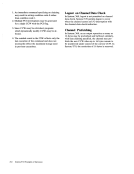
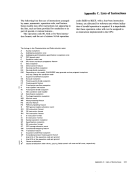
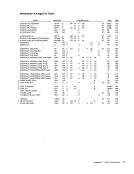
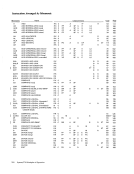
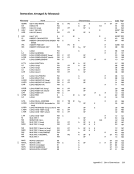
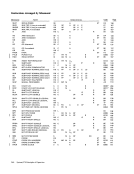
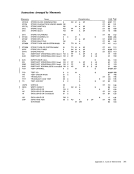
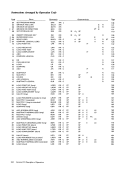
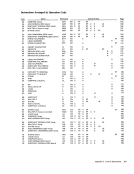
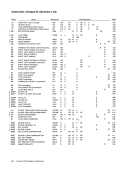
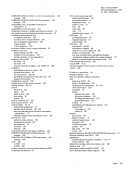
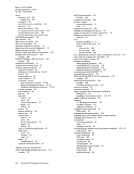
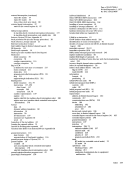
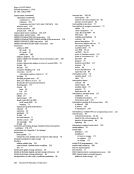
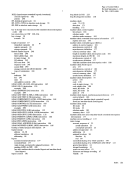
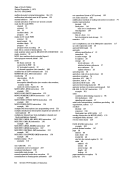
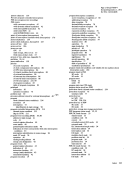
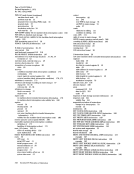
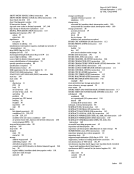
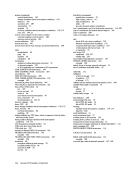
Appendix C. Lists of Instructions 253 Appendix E. Condition-Code Settings. · 275
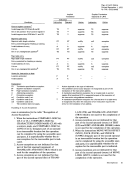
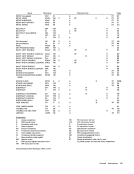
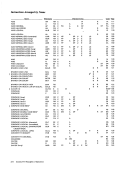
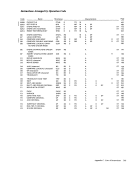
Arranged by Name 254
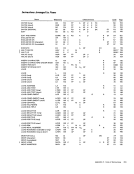
Arranged by Mnemonic. 258
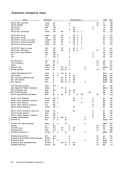
Arranged by Operation Code 262
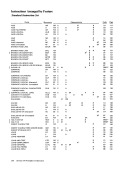
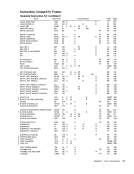
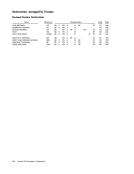
Arranged by Feature 266
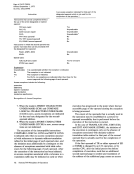
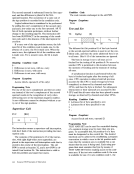
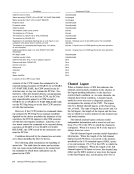
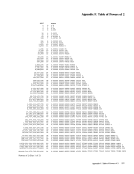
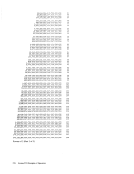
Appendix F. Table of Powers of 2 . · 277
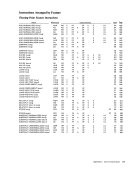
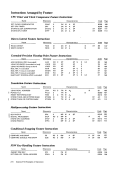
Standard Instruction Set 266
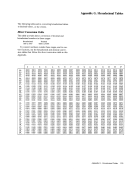
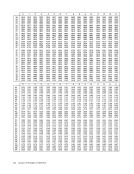
Decimal Feature Instructions 268 Floating-Point Feature Instructions 269 CPU-Timer and Clock-Comparator Feature Instructions 270 Appendix G. Hexadecimal Tables · 279
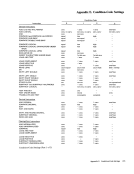
Dire(:t-Control Feature Instructions 270 Extended-Precision Floating-Point Feature Instructions 270 Tran:slation Feature Instructions 270 Multiprocessing Feature Instructions . 270 Appendix H. EBCDIC Chart. · 287 Conditional-Swapping Feature Instructions 270 PSWKey-Handling Feature Instructions 270 Appendix D. Formats 271
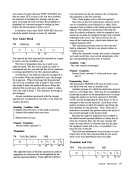
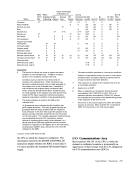
Appendix I. Number Representation and
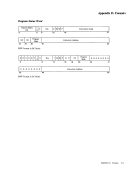
Program Status Word 271
Instruction-Use Examples. · 289
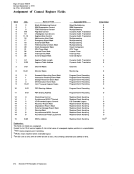
Assignment of Control Register Fields 272
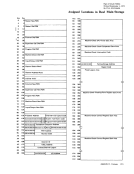
Assigned Locations in Real Main Storage 273
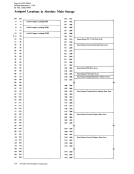
Assigned Locations in Absolute Main Storage 274 Index. · 315
viii
IBM System/370 is a product of the experience
gained with System/360. It preserves compatibility
forward from System/360--that is, makes it possible
to move from System/360 to System/370 with the
same ease that is possible in moving from a lower
model to a higher model within the system--and at
the same time includes advanced information pro­
c\essing capabilities.
The latest in solid-state and monolithic technolo­
gies is reflected in most phases of System/370 de­
sign. Complementing this design are new facilities
that assist the user in extending his computer appli­
cations: dynamic address translation, channel indi­
rect data addressing, multiprocessing, timing facili­
ties, extended-precision floating point, program­
event recording, monitoring, and the block­
multiplexer 'channel--together with substantially
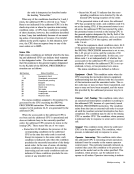
improved reliability, availability, and serviceability. • Dynamic address translation, a CPU facility
that generally eliminates the need to assign a
program to fixed locations in real main storage
and thus reduces the addressing constraints on
both system and problem programs, provides
greater freedom in program design and permits
a more efficient and effective utilization of
main storage. When one of the operating sys­
tems for virtual storage is employed, dynamic
address translation allows the use of up to
16,777,216 bytes of virtual storage. • Channel indirect data addressing, a companion
facility to dynamic address translation, pro­
vides assistance in translating data addresses
for I/O operations. It permits a single channel
command word to control the transmission of
data that spans noncontiguous areas of real
main storage. • Multiprocessing provides for the interconnec­
tion of CPUs to enhance system availability
and share data and resources. It includes facili­
ties for sharep main storage, for programmed
and special machine signaling between CPUs, and for the programmed reassignment of the 4,096 bytes of real main storage for each CPU. • Timing facilities include a time-of-day clock, a
clock comparator, and a CPU timer, along with (In interval timer that is also available in The time-of-day clock provides a
measure of elapsed time suitable for the indica­
tion of date and time; it has a cycle of approxi­
mately 143 years and a resolution such that the
incrementing rate is comparable to the instruc-
IBM System/370
tion execution rate of the model. The clock
comparator provides for an interruption when
the time-of -day clock reaches a program­
specified value. The CPU timer is a high­
resolution timer that initiates an interruption
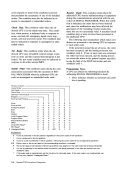
upon being decremented past zero. • Extended-precision floating point includes the
facilities for addition, subtraction, and multipli­
cation of floating-point numbers with a frac­
tion of 28 hexadecimal digits. Included in the
feature are instructions for rounding from ex­
tended to long and from long to short formats. • Program-event recording provides program
interruptions on a selective basis as an aid in
program debugging. • Monitoring provides for passing control to a
monitoring program when selected indicators
are reached in the monitored program. It can
be used, for example, in analyzing which pro­
grams get executed, how often, and in what
length of time. • The block-multiplexer channel, which permits
concurrent processing of multiple channel pro­
grams, provides an efficient means of handling I/O devices that transfer data on the I/O inter­
face at a high rate but have relatively long peri­
ods of channel inactivity in between transfers.
To accommodate many of these new functions,
program-addressable control registers and a new CPU mode --extended-control mode --are provided. System/370 provides the capability of running System/360 operating systems, as well as those spe­
cifically designed for its advanced features, with
little or no change in application programs and data.
At the same time, System/370 provides several CPU models at different performance levels, making many
of the new information processing capabilities avail-
able to all System/370 users--from the smallest to
the very large. The wide choice of models and sup­
port, together with the new and advanced features,
makes System/370 one of the most versatile systems
offered today.
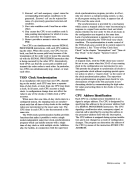
General-Purpose Design
Like System/360, System/370 is a general-purpose
system that can readily be tailored for a variety of
applications. A standard instruction set, which is
expanded over that of System/360 and includes the
protection facility, provides the basic processing
capabilities of the system. To this, a decimal feature,
which includes decimal shifting, may be added to
IBM System/370 9
Previous Page Next Page